From Poolside Fresh to Evening Chic: How to Transition Your Scent for Any Occasion

A great fragrance can feel effortless at noon and completely wrong by dinner. The clean citrus that worked beautifully by the pool might disappear before sunset. The rich amber you love at night can feel too heavy in full sun. Scent has timing, texture, and mood, just like clothes.
That makes fragrance one of the easiest ways to shift your presence throughout the day. You do not need a large perfume wardrobe or a complicated routine. You just need to understand how heat, skin, setting, and fragrance notes work together.
Moving from poolside fresh to evening chic is less about spraying more and more about choosing well. A crisp daytime scent can set a bright, relaxed tone. A warmer evening fragrance can add polish without feeling overpowering. With a few simple habits, your scent can move with you from swimsuit to dinner dress, beach towel to rooftop table, or spa afternoon to late-night cocktails.
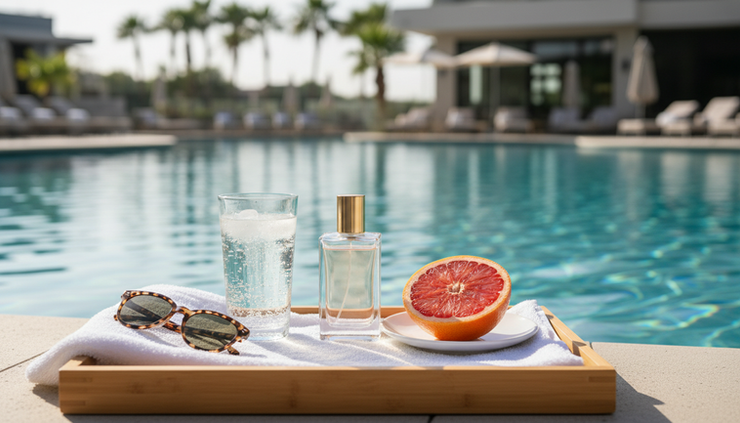
Start with how scent behaves in heat
Warm weather changes everything about fragrance. Heat helps perfume project more, which means even a light scent can feel stronger than expected. Sweat, sunscreen, salt water, and humidity can also change how a fragrance smells on skin.
That is why poolside scents should usually stay clean, airy, and easy. They need to blend with the environment rather than compete with it.
Good daytime notes often include:
Citrus, such as bergamot, lemon, mandarin, or grapefruit
Watery notes that feel fresh and transparent
Green notes like mint, basil, fig leaf, or tea
Soft florals, such as neroli, orange blossom, or jasmine tea
Light musks that smell like clean skin
These notes feel right because they do not sit too heavily in the air. They also pair well with common summer surroundings, like linen, sunscreen, sea breeze, iced drinks, and sun-warmed skin.
By contrast, dense notes can feel cloying around a pool or beach. Heavy vanilla, deep oud, syrupy fruit, smoky woods, and strong patchouli can become louder in heat. That does not mean they are off-limits. It means they often work better later, once the air cools and the setting becomes more intimate.
A simple rule helps: the hotter the setting, the quieter the scent should be.
For poolside wear, try one or two sprays on areas that do not get constant sun. The back of the neck, the inside of the elbow, or a light mist on clothing can work well. Avoid spraying perfume directly before sun exposure if your skin is sensitive, since some fragrance ingredients may irritate skin in sunlight.
If you plan to swim, treat fragrance as part of your before-and-after routine rather than something to wear heavily in the water. A clean body mist or light eau de toilette after drying off can feel fresher than a strong perfume applied before swimming.
Build a daytime scent that can evolve
The easiest transition starts in the morning. Choose a daytime fragrance that leaves room for change. A scent with a fresh opening and a soft base can carry you through the afternoon without fighting your evening perfume.
Think of daytime fragrance as the base layer. It should feel polished but not final.
A good poolside-to-afternoon scent usually has three traits.
It opens clean. Citrus, marine notes, tea, mint, or soft herbs set a refreshing tone.
It dries down gently. Light woods, white musk, soft amber, or sheer florals keep the scent present without becoming heavy.
It does not dominate fabric. Very strong perfumes can cling to cover-ups, towels, and linen for hours, which makes it harder to change the mood later.
For example, a fragrance with bergamot, neroli, and white musk can work beautifully by the pool. It feels crisp at first, then settles close to the skin. By early evening, it may leave a clean trace that pairs well with something warmer.
A fig-based scent can also transition well. Fig leaf feels green and fresh during the day. Fig fruit and soft woods can become creamy and elegant as the sun goes down. Tea scents can do the same. Green tea feels crisp, while black tea or chai-inspired notes can feel smoother later.
The key is to avoid choosing a daytime scent that is too loud or too sweet. If your first fragrance has a strong coconut, caramel, or tropical fruit note, it may be harder to layer over it later. Those notes can be fun and vacation-ready, but they tend to make a clear statement.
There is nothing wrong with a statement. Just know when you are making one.

Use layering with care instead of piling on perfume
Layering can make a fragrance feel personal, but it works best when each layer has a purpose. Using scented body wash, lotion, oil, mist, and perfume all at once can turn even a soft scent into too much.
The goal is to create a smooth bridge from day to night.
Start with body care. A fragrance-free or lightly scented lotion helps perfume last longer because hydrated skin holds scent better than dry skin. If the lotion has a strong scent, make sure it matches the direction of your perfume. Coconut lotion under citrus perfume may feel beachy and bright. The same lotion under a smoky amber could feel muddled.
For a clean daytime base, try:
Unscented body lotion with a citrus eau de toilette
Aloe gel or light moisturizer with a marine fragrance
Soft musk body lotion with a tea or neroli scent
Lightly scented hair mist instead of perfume on skin
Hair can hold scent well, but regular perfume may be drying because of alcohol. If you like scent in your hair, use a product made for it or spray perfume lightly onto a brush before running it through the ends. Keep it subtle.
When moving into evening, do not simply spray a heavier fragrance over the day’s scent without checking what remains. Smell your wrist, collar, or neckline first. If the daytime scent is still strong, refresh with the same fragrance or choose a complementary note.
Good pairings often follow a simple pattern:
Daytime scent | Evening direction |
Citrus and neroli | Orange blossom, soft amber, or clean musk |
Marine and salt | Driftwood, sage, or mineral musk |
Green tea | Jasmine, black tea, or soft sandalwood |
Fig leaf | Creamy fig, cedar, or skin musk |
Mint or basil | Vetiver, lavender, or light woods |
The safest evening layer is usually a fragrance that shares one note with the daytime scent. If your poolside perfume has neroli, an evening scent with orange blossom or white florals may blend naturally. If your daytime fragrance has tea, a smoky tea or sandalwood perfume can add depth without clashing.
Use less than you think. One spray can be enough when layering. Place it somewhere different from the original scent, such as the back of the neck or lower chest. This allows the fragrances to create a soft aura rather than a sharp mix on one spot.
Shift the mood for evening with warmer notes
Evening fragrance can feel richer because the setting changes. Light gets lower. Temperatures drop. Clothes often have more texture. Dinner, music, candlelight, and conversation can support scents with more depth.
This is where amber, woods, soft spice, creamy florals, vanilla, suede, and musk can shine.
Evening chic does not have to mean dark or intense. It can be quiet and close to the skin. A polished evening scent might be a sheer sandalwood, a soft rose musk, a clean amber, or a vanilla that smells warm rather than sugary.
To choose the right evening fragrance, match the scent to the type of occasion.
For a casual dinner after the pool, choose something relaxed and warm. A skin musk with sandalwood or a soft floral amber will feel intentional without trying too hard.
For a rooftop drink or sunset party, add brightness with depth. Orange blossom with amber, pear with musk, or citrus with woods can feel glamorous but still fresh.
For a formal dinner, lean smoother. Rose, iris, sandalwood, suede, or a restrained vanilla can create a refined trail.
For a beach bonfire or outdoor evening, try smoky woods, salt, or mineral notes. Keep the spray count low because outdoor air can carry scent in surprising ways.
The evening transition also depends on what you wear. Fragrance clings differently to linen, cotton, silk, denim, and knits. If you are changing clothes, your evening scent gets a cleaner start. If you are keeping the same outfit, spray away from areas already carrying sunscreen or daytime perfume.
Good places for evening application include:
The back of the neck
The chest under clothing
Behind the knees if wearing a dress or shorts
A scarf or wrap, if the fabric is washable and perfume-safe
The ends of hair with a hair fragrance
Avoid rubbing wrists together. It can flatten the scent and change the way the top notes unfold. Spray, let it settle, and give it a few minutes before deciding whether to add more.


Comments